
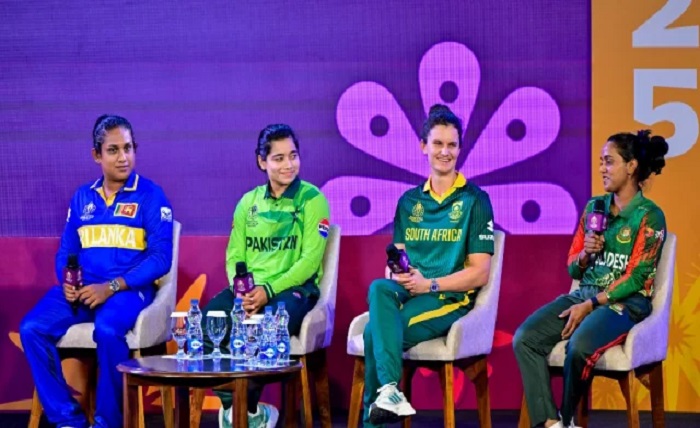
Remember when people used to claim that women’s cricket was just a “slower version” of the men’s game? Those days are dead and buried. If you’ve watched a single over of franchise ball lately, you know the power, the tactical shifts, and the sheer intensity are now on par with any top-tier sporting spectacle. I’ve spent the better part of a decade watching the evolution of the crease, and frankly, the energy in the women’s circuit right now is more electric than a packed Saturday night at a high-stakes craps table.
The Era of Professionalism and Power
We aren’t just seeing better athletes; we are seeing a complete shift in the sport’s ecosystem. The introduction of major franchise leagues has turned what was once a part-time passion for many into a lucrative, full-time career. This professionalization has trickled down into the stats, with strike rates climbing and the depth of talent in squads reaching unprecedented levels.
The 2025 season has been particularly telling, according to Cricketnmore, as key performances are now coming from a wider pool of international players rather than just the traditional powerhouses like Australia or England. This leveled playing field is what makes the sport “lived-in” and authentic; it’s no longer a predictable two-horse race.
Investing in the Future
With this growth comes a need for better infrastructure and protection for the athletes and the fans supporting them. Just as sports leagues are tightening their regulatory frameworks, we see similar movements in global finance to ensure sustainability. For example, staying informed on Canadian financial consumer protection is a standard move for anyone looking at how modern markets, including sports entertainment, shield their participants from volatility. In cricket, this translates to better player contracts and more transparent board management, ensuring the money flowing into the game actually reaches the grass roots.
The “Expert Insider” Reality Check
I’ve stood on the boundary ropes and watched how the spin speeds have become snappier with zero lag in the fielding intensity. It’s not just about the big hits. It’s about the “chess match” between the bowler and the batter.
The Scouting Experience
I wanted to see if the hype around the new domestic speedsters was real, so I caught a three-day training camp last month. I watched a 19-year-old pacer clocking speeds that would have been unheard of in the women’s game ten years ago.
- The Goal: To see if the pace was consistent or just “fluff” for the cameras.
- The Action: I timed twelve consecutive deliveries during a mid-day heat session.
- The Result: Every single ball stayed within a 2kph variance, showing elite-level fitness and mechanics.
The reality is that these players are grinding harder than ever, and it shows in the “fine print” of their match stats, lower extras, higher dots, and smarter boundary hitting.
The Verdict
“Womens cricket isn’t just ‘catching up’ anymore; it’s setting its own pace and forcing the rest of the sporting world to pay attention or get left behind.”
The momentum is real, the talent is undeniable, and the business side of the game is finally catching up to the quality on the pitch. Whether you’re a lifelong fan or a newcomer looking for a sport that actually delivers on the hype, now is the time to start watching. Just remember to keep an eye on the technicalities, the house edge in cricket is usually held by the team that handles the pressure of the final five overs.