Have you ever joined an online game and felt like it somehow matched the way people talk, joke, dress, and connect right now?
That feeling is a big reason online gaming feels so current. It is not only about graphics, updates, or new features. It is about the way games reflect modern culture in real time.
Players bring their humor, style, habits, music taste, social energy, and personal expression into the spaces where they play. Because of that, online gaming often feels close to everyday life, just with more color, movement, and shared fun.
Gaming Speaks the Language of Now
Online RTP live gaming feels fresh because it picks up the small signals people already use in daily digital life. Short phrases, quick reactions, emojis, memes, and playful timing all shape how players communicate.
This kind of communication feels natural to many people. It is fast, casual, and full of personality. A short message or reaction can say a lot when everyone understands the mood.
Quick Reactions Feel Familiar
Modern players are used to fast replies, short clips, and instant reactions. Online games fit that rhythm well.
A quick emote, a short chat message, or a simple “nice” after a smart move can feel just like reacting to a post or message. It keeps the mood light and makes players feel connected without needing long conversations.
Humor Travels Fast
Gaming spaces often reflect the humor people share online. Inside jokes, funny phrases, playful timing, and group reactions can spread quickly.
This creates a shared language among players. Even a small joke during a match can become something the group remembers and repeats later.
Style Has Become Part of Play
In modern gaming, style is more than decoration. It is a way for players to show mood, taste, and personality.
People are used to expressing themselves through profile pictures, outfits, room setups, and short bios. Gaming adds another layer to that habit by letting players shape avatars, colors, titles, and digital spaces.
Avatars Act Like Personal Style
An avatar can feel like an outfit for a digital hangout. Some players choose a calm look. Others go for bright colors, funny details, or clean, simple designs.
These choices help players feel seen. They also make each person easier to recognize in a group, almost like a friend’s usual clothing style in real life.
Custom Spaces Feel Personal
Many games let players shape rooms, bases, profiles, or shared areas. This makes gaming feel closer to how people decorate their desks, bedrooms, or social pages.
A player’s space can show what they enjoy, how they organize things, and what kind of vibe they like. It turns play into self-expression.
Social Habits Shape the Experience
Online DRAGON222 gaming feels current because it mirrors how people spend time together today. Friends may chat, plan, react, laugh, and take part from different places, all in the same shared activity.
Gaming gives people a reason to gather. It can feel like a casual meet-up where the activity keeps everyone involved.
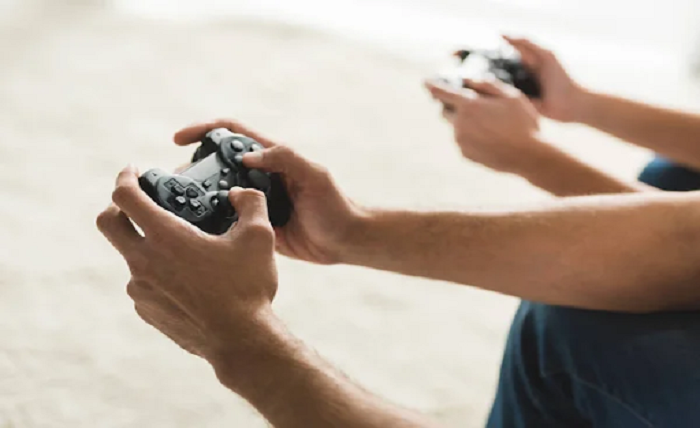
Playing Together Feels Like Hanging Out
For many players, logging in is not only about finishing a match or task. It is also about seeing who is online, joining a group, and sharing a few easy moments.
This fits modern social habits well. People often connect through shared activities, and gaming gives them a lively place to do that.
Group Identity Feels Natural
Teams, clans, parties, and friend groups help players feel part of something. A shared name, inside joke, role, or routine can create a strong group feeling.
These small details make the experience feel personal and current. They reflect how people form digital communities around shared interests and shared time.
Trends Move Through Games Quickly
Online gaming often reflects current trends because player communities are active and creative. New phrases, visual styles, music moods, and social habits can show up fast.
This gives gaming a lively feeling. It keeps spaces fresh because players are always bringing in new ideas from daily life.
Seasonal Moments Keep Things Fresh
Many games use seasonal themes, limited-time activities, and event-style updates. These can match holidays, cultural moments, or popular moods.
Players enjoy returning to see what has changed. It gives the space a sense of rhythm, like a digital version of seasonal fashion, music, or social content.
Player Creativity Adds Energy
Players often create their own styles, challenges, jokes, and ways to play. This keeps gaming culture active from the inside.
Some players are known for creative outfits. Some are known for funny phrases. Others bring smart tactics, warm teamwork, or cool design ideas. All of these personal touches help gaming feel alive.
Digital Identity Feels Normal Now
Today, many people already have digital versions of themselves. They use profile photos, usernames, bios, playlists, saved posts, and custom settings.
Online gaming fits into that same pattern. It gives people another place to shape how they appear, how they act, and how they connect.
Usernames Carry Meaning
A username can become a real part of someone’s online identity. Friends may know that name as clearly as a nickname.
Over time, it can carry memories, style, and personality. A name used across games can feel familiar and personal.
Play Style Becomes a Signature
The way someone plays can also send a cultural signal. A calm helper, a bold leader, a creative builder, or a funny teammate can all become known for their style.
This makes identity feel active. It is not only how someone looks, but how they show up.
Why Gaming Feels So Present
Online gaming feels current because it reflects how people live, talk, create, and connect today. It blends fast communication, personal style, group culture, and digital identity into one shared space. Players do not just enter a game. They bring pieces of everyday culture with them.
That is why online gaming feels so connected to the moment. It grows through people, their choices, their jokes, their style, and the simple joy of sharing time together.