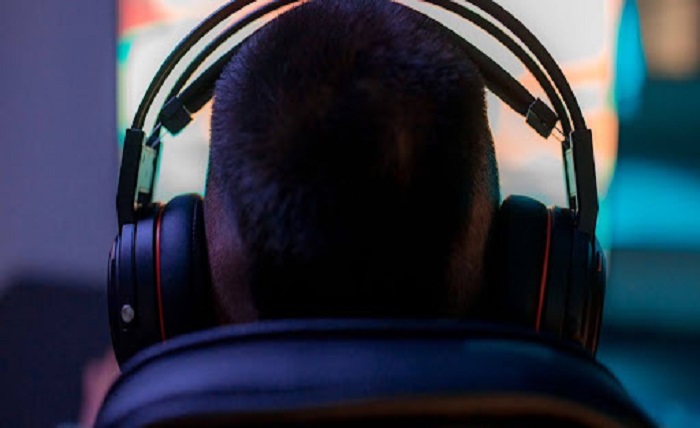
Why does online gaming feel more personal than passive entertainment?
The answer starts with control. Passive entertainment asks you to watch, listen, or read, but online gaming asks you to act, and that action creates a stronger sense of ownership over the experience.
Every choice matters in a way that a film or show cannot match. A move, a timing decision, or a chat response changes what happens next, so the experience feels tied to your own input rather than to a fixed script.
Active Input Changes The Experience
Online gaming feels personal because the screen reacts to you, not just for you.
In a movie, the same scene plays for everyone. In an online game, your timing, accuracy, and decisions shape what you see next, which makes each session feel like a direct conversation between player and system.
That back-and-forth creates a sense of agency. Even small actions matter, because the game records them and uses them to build outcomes that feel linked to your own style.
Players often describe an apk slot experience in personal terms because every tap can lead to a different result, and that unpredictability keeps attention focused on the moment.
Choice Makes The Experience Feel Owned
Personal connection grows when a player can shape how a session unfolds.
Many online games let people pick strategies, characters, routes, or pacing, and those options give each person a distinct way to play. Two players can use the same system and still create very different experiences because their choices are not identical.
That sense of ownership matters more than simple access. Passive content is something you receive, while interactive play is something you help produce, so the final memory feels closer to a personal achievement than to borrowed entertainment.
Small Decisions Build Stronger Memory
The brain remembers actions better than observations because actions carry effort and consequence.
When someone has to react quickly, remember patterns, or adjust to another player, the experience becomes linked to personal skill. That connection helps the session stick in memory because it includes both thought and action, not just observation.
A competitive or chance based slot gacor session can feel especially personal because the result depends on timing, attention, and repeated decision making, which keeps the player mentally involved.
Social Feedback Adds A Human Layer
Other people make the experience feel even more direct.
Online play often includes chat, teamwork, rivalry, or shared goals, and each of those creates immediate feedback from real people. That feedback makes the experience feel personal because reactions come from names, voices, and habits rather than from a script.
Players also start to notice patterns in how others behave, which creates familiarity over time. A teammate who supports your style or an opponent who reacts in a recognizable way adds a human shape to the session.
Progress Feels Tied To The Player
Personal meaning grows when progress reflects effort.
Many online games track rank, stats, collections, or completed goals, and those records make improvement visible. Seeing progress happen in measurable steps gives players a clear link between time spent and results earned.
That link is stronger than the experience offered by passive entertainment, because passive content can be appreciated without changing the viewer. Online gaming often changes the player too, since practice improves judgment, reaction speed, and confidence in future sessions.
That is why online gaming often feels more personal than passive entertainment: it asks for input, remembers choices, responds to people, and turns progress into something that feels connected to the individual.